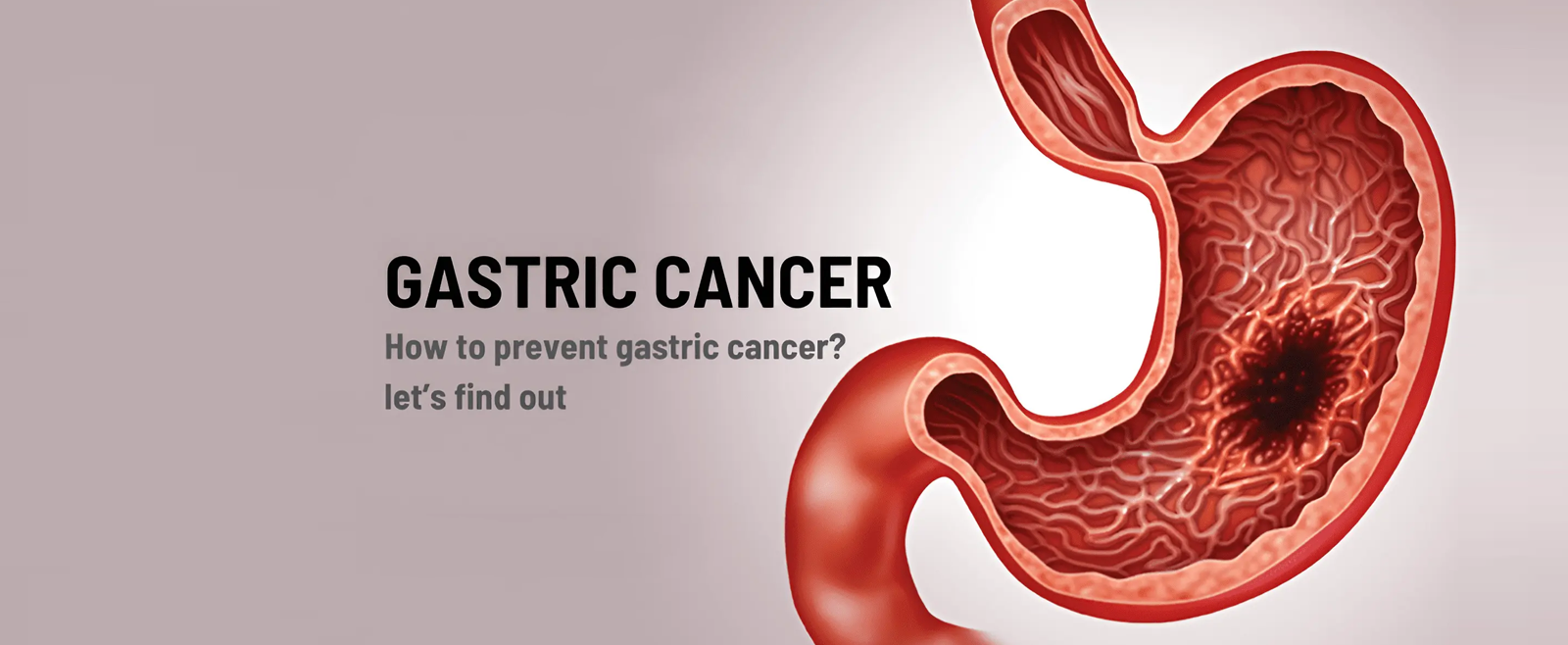
Gastro-Intestinal Cancer
Gastrointestinal (GI) cancer refers to a group of cancers that affect the digestive system, which includes organs like the stomach, esophagus, liver, pancreas, small intestine, large intestine (colon), rectum, and anus. The most common types are stomach (gastric) cancer, colorectal cancer, liver cancer, pancreatic cancer, and esophageal cancer.
Symptoms
- Stomach Cancer: Indigestion, stomach pain, nausea, vomiting, loss of appetite, weight loss, and feeling full after small meals.
- Colorectal Cancer: Blood in stool, changes in bowel habits (diarrhea or constipation), abdominal pain, and unexplained weight loss.
- Liver Cancer: Abdominal pain, swelling, jaundice (yellowing of skin and eyes), fatigue, and weight loss.
- Pancreatic Cancer: Upper abdominal pain, jaundice, dark urine, light-colored stools, and weight loss.
- Esophageal Cancer: Difficulty swallowing, chest pain, weight loss, and hoarseness.
Causes:
- Genetics: Family history of cancer, inherited syndromes (e.g., Lynch syndrome).
- Lifestyle factors: Smoking, alcohol consumption, diet (high in processed foods, red meat), obesity.
- Infections: Helicobacter pylori (stomach cancer), hepatitis B or C (liver cancer).
- Chronic conditions: Ulcerative colitis or Crohn’s disease (for colorectal cancer), chronic gastroesophageal reflux disease (GERD) for esophageal cancer.
Treatment:
- Surgery: To remove the tumor or affected organs (e.g., partial gastrectomy, colectomy).
- Chemotherapy: Uses drugs to kill cancer cells or shrink tumors.
- Radiation therapy: High-energy rays are used to target and kill cancer cells.
- Targeted therapy: Drugs that target specific genes or proteins involved in cancer growth.
- Immunotherapy: Helps the immune system recognize and fight cancer cells.
- Palliative care: Focuses on relieving symptoms and improving quality of life when the cancer is advanced.